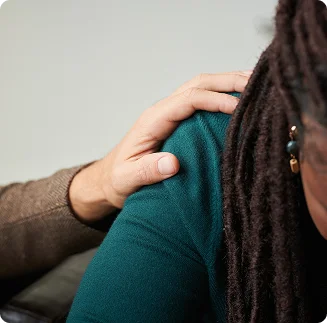
Intensive Outpatient Program (IOP)

An Intensive Outpatient Program, also referred to as Half-Day Treatment, offers structured treatment on several days per week while you live at home full time. It gives more flexibility than inpatient or PHP but still provides more support than standard outpatient therapy.

Our website is for information only. We help you understand your options and prepare for conversations with licensed providers, but we do not diagnose, treat, or guarantee outcomes.


Who IOP May Help

What IOP Treatment Is

What to Expect Each Week

Therapies You May See

Cognitive-behavioral therapy (CBT)

Dialectical behavior therapy (DBT)

Motivational interviewing

Trauma-informed therapy

Family or couples sessions (if appropriate)

Medications
(When Appropriate)

Co-Occurring or Dual Diagnosis Care

Aftercare & Step-Down

Insurance & Costs

How to Choose an IOP Program

Check for state license and accreditation

Ask about medical and psychiatric staff availability

Review safety policies and detox support

Confirm aftercare planning and insurance coverage

Choosing the right program means finding a safe, accredited place that meets your needs and supports long-term recovery. Take time to ask questions and compare options before deciding.

FAQs

What is an Intensive Outpatient Program?

An IOP is a structured addiction or mental health treatment where you attend therapy several days a week while living at home.

Most IOPs require 9 or more hours per week, often divided into 3–5 sessions depending on the program.

IOP programs commonly run between 6 to 12 weeks, though the actual length depends on your needs, progress, and insurance.

Yes. IOP is designed to accommodate work, school, or family commitments alongside your treatment schedule.

PHP involves full-day, daily attendance with more supervision, while IOP requires fewer hours per week and greater flexibility.

After IOP, many people continue with regular outpatient therapy, peer support groups, or relapse-prevention programs to sustain progress.

Helpful Resources

Ipsum ut eget auctor
News
Poirier Dev
July 9, 2025
Quiz
Poirier Dev
July 9, 2025
Poirier Dev
July 8, 2025

In Crisis? Get Immediate Help

If you are in danger or thinking of self-harm, call 911 (or your local emergency number). In the US, dial or text 988 for the Suicide & Crisis Lifeline.