Relapse Prevention Strategies
Home / Recovery & Aftercare Resources / Relapse Prevention Strategies
Relapse prevention is a simple plan to help you stay steady one day at a time. It doesn’t have to be perfect. Explore clear steps to notice warning signs early, handle cravings, and respond safely if a slip happens.
Our website is for information only. We help you understand your options and prepare for conversations with licensed providers, but we do not diagnose, treat, or guarantee outcomes.



What “Relapse Prevention” Means
Relapse prevention is about skills and support, not willpower. You learn your triggers, make a daily routine, and keep quick tools ready for tough moments. If a slip happens, you focus on safety and get back on track fast.
Know Your Triggers
- People: e.g., using friends, stressful relationships
- Places: e.g., bars, certain neighborhoods, bedrooms at night, payday routes
- Feelings: e.g., hungry, angry, lonely, tired (“HALT”), bored, anxious, sad
- Times: e.g., evenings, weekends, after work, payday, holidays
- Situations: e.g., arguments, big wins or losses, being alone, pain or poor sleep
Quick Exercise
List your top 5 triggers. Next to each, write one safer choice (e.g., leave early, call a supportive loved one, change route home, eat first, take a 10-minute walk).
Core Skills for Tough Moments
- Urge Surfing (10 minutes): Notice the craving rise and fall like a wave. Breathe slow, and set a timer. Most urges pass.
- 5-4-3-2-1 Grounding: Name five things you see, four you can touch, three you can hear, two you can smell, and one you can taste. This helps bring your focus back to the present moment.
- Delay & Distract (15 minutes): Delay the choice; do a short task like showering, walking, dishes, or texting for support.
- HALT Check: If hungry, eat; if angry, cool down; if lonely, reach out; if tired, rest.
- Exit Plan Script: “I’ve got to go. See you tomorrow.” Practice boundary-setting like this.

Build a Simple Daily Routine
- Sleep: Steady bedtime/wake time (even on weekends)
- Movement: 10–20 minutes most days (walks count)
- Meals & Water: Regular meals; carry a water bottle
- Support: Therapy or group on the calendar
- Joy: One small activity you enjoy (music, game, hobby)
- Check-In: Morning goal and evening 2-minute review

Social & Phone Boundaries
- Mute or remove contacts that lead to use
- Leave groups or chats that pressure you
- Share your plan with 1–2 safe people; ask for check-ins
- Avoid “just one drink/pill” settings until you’re ready; bring your own ride
Medication & Medical Support (When Appropriate)
Some alcohol and opioid use disorders have FDA-approved medications that may reduce cravings or relapse risk. Psychiatric medications can support anxiety, sleep, or mood. Your prescriber will explain risks, benefits, and alternatives. Don’t start, stop, or change any medication without medical guidance.
Lapse vs. Relapse
- Lapse: A brief return to use (e.g., one episode).
- Relapse: A longer return to old patterns.
Either way, focus on safety first, then call your clinician or alumni contact.
24-Hour Response Plan After a Slip
- Safety check: If experiencing overdose risk or severe withdrawal, use emergency services now.
- Tell one person: Clinician, sponsor, or trusted friend can help.
- Change location: Leave the high-risk place; sleep, hydrate, eat.
- Write the chain: Check the trigger → thought → feeling → action.
- Do one repair: Schedule a session, attend a meeting, or return to IOP/PHP if needed.
- Reset: Remove leftover substances, update your plan, and set one small goal for tomorrow.

Weekend & Payday Plan
- Before: Cash limits, ride plan, supportive buddy on text
- During: Non-alcoholic drink/alternate activity, exit script, time cap
- After: Check-in text, snack, sleep plan, morning walk
Quick Tips for Travel & Holidays
- Book a room with a fridge for snacks; keep water handy
- Tell one person your schedule; plan polite exits from parties
- Look up local or virtual support meetings before you go
- Protect sleep; keep mornings calm and simple
Digital Tools That Help
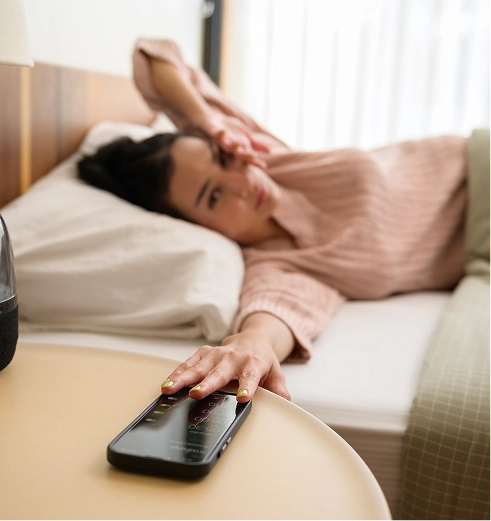
- Calendar reminders for meds, therapy, and groups
- Notes app for triggers, coping steps, crisis numbers
- Timer app for urge surfing or breathing
- (Optional) sobriety/goal trackers: use only if they help

For Loved Ones
- Ask how to help, such as rides, childcare, or a daily check-in
- Use kind, clear boundaries (no money; offer groceries or a ride)
- Celebrate small wins (appointments kept, honest check-ins)
- If safety is urgent, contact emergency services

Your One-Page Relapse Prevention Plan
- My top 5 triggers: __________
- My 3 fast skills: __________
- People I can call/text (3): __________
- My daily routine anchors (sleep, meals, movement): __________
- Medications (if any) & follow-ups: __________
- My 24-hour slip response: __________
- Emergency numbers (local and crisis line): __________
FAQs
Do I have to avoid all risky places forever?
Not forever. Start with strong boundaries, and reenter slowly with support and exit plans.
What if cravings don’t go away?
Tell your clinician. Skills can improve with practice; medications or a step-up in care (IOP/PHP) may help when appropriate.
How long does relapse prevention last?
As long as it helps. Many people keep a simple plan for months to years and adjust over time.
Is a slip the end of recovery?
No. A slip provides insight into what needs reworking to support your recovery. Focus on safety, call your team, and update your plan.
Helpful Resources



In Crisis? Get Immediate Help.
If you or someone you know is in immediate danger or experiencing a medical emergency, call 911. You can also contact the Suicide & Crisis Lifeline for free, confidential support 24/7 at 988.
Additional Resources (Optional but Helpful):
- SAMHSA’s National Helpline: 1-800-662-HELP (4357)
- National Domestic Violence Hotline: 1-800-799-SAFE (7233)
- Crisis Text Line: Text HELLO to 741741