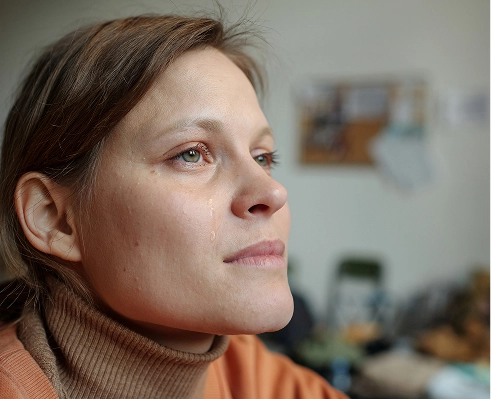
Mood Disorders: Signs, Screening, and Treatment Options

Mood disorders describe patterns of low mood, irritability, or changes in energy that persist over time and interfere with daily life. This guide explains common types, signs, and treatment approaches to help you prepare for a conversation with a licensed clinician.

Our website is for information only. We help you understand your options and prepare for conversations with licensed providers, but we do not diagnose, treat, or guarantee outcomes.

What a Mood Disorder Is

A mood disorder involves ongoing changes in mood or energy that affect school, work, sleep, or relationships. Unlike normal ups and downs, these patterns tend to last and repeat. Only a licensed clinician can determine whether symptoms meet criteria for a specific mood disorder.


Common Types of Mood Disorders

Mood disorders include several related conditions:

  • Persistent Depressive Disorder, also called dysthymia, involves long-lasting low mood most days for years.

  • Cyclothymic Disorder includes frequent shifts between low mood and higher energy that do not meet full criteria for depression or hypomania.

  • Disruptive Mood Dysregulation Disorder affects children and adolescents and involves severe irritability and frequent outbursts.

  • Other specified or unspecified mood disorders cause real impairment, but don’t fit neatly into one category.

Bipolar disorder and major depressive disorder are discussed on separate pages. A clinician can help clarify which pattern best fits.

Signs and Symptoms

Physical Signs

  • Low or inconsistent energy
  • Sleep problems, too much or too little
  • Changes in appetite or weight
  • Frequent headaches or body aches

Thoughts and Emotions

  • Ongoing sadness or irritability
  • Harsh self-criticism or guilt
  • Reduced motivation or interest
  • Difficulty focusing or making decisions

Daily Life Impact

  • Falling behind at school or work
  • Pulling away from others
  • Missed deadlines or responsibilities
  • Occasional impulsive choices during higher-energy periods

Symptoms vary. A clinician will assess patterns and rule out other causes.

When to Seek Urgent Help

Call your local emergency number if you have thoughts of self-harm, feel unable to stay safe, or experience several days without sleep alongside rising energy or irritability. For mental health emergencies, use your country’s suicide and crisis line.

Mood Disorders and Substance Use

Alcohol or drugs may seem to ease mood temporarily, but often worsen symptoms and increase risk over time. Integrated care addresses co-occurring mood symptoms and substance use together, combining therapy, coping skills, and substance use support. If opioids may be involved, ask about naloxone for overdose emergencies.

How Mood Disorders Are Evaluated

A licensed clinician will:

Review mood patterns, sleep, energy, and symptom duration

Ask about medical history, medications, and sleep quality

Consider conditions such as major depression, bipolar disorder, ADHD, anxiety, trauma, or grief

Use screening tools and, with consent, input from family or teachers

Recommend a level of care based on safety and daily functioning

Treatment Options

Treatment for mood disorders focuses on stabilizing mood, improving daily functioning, and preventing symptom recurrence. Care is individualized and often combines several approaches, such as therapy and/or medication.

Therapy Approaches

  • CBT to address unhelpful thought patterns and routines
  • Behavioral activation to increase engagement and energy
  • DBT skills for emotion regulation and distress tolerance
  • IPSRT to support consistent sleep and daily rhythms
  • Family sessions, with consent, to support structure at home

Medication Support

A prescriber may discuss medications such as antidepressants or other options based on diagnosis and symptom patterns. For cyclothymic features, mood-stabilizing strategies may be considered. Medication is voluntary and reviewed carefully. Do not start or change medication without medical guidance.

Levels of Care

  • Outpatient and telehealth with regular therapy
  • Intensive Outpatient Programs for added structure
  • Partial Hospitalization Programs when daily functioning declines
  • Inpatient or residential care when safety or stability is a concern

Skills You Can Start Practicing

Note: These strategies support treatment but do not replace care.

  • Use short tasks to build momentum
  • Keep a consistent wake time
  • Add light movement most days
  • Eat regular, simple meals
  • Check in briefly with a trusted person
  • Track sleep, mood, and triggers for two weeks

Guidance for Loved Ones

Preparing for Your Appointment

FAQs

Is a mood disorder the same as being moody?

No. Mood disorders involve persistent patterns that interfere with daily life.

Not always. Many people improve with therapy and routine changes. Medication is one option when appropriate.

Some people notice improvement within weeks. Others need longer-term support.

Often yes. Outpatient and IOP options are designed to fit daily responsibilities.

That is common. Clinicians focus on your symptoms and goals, not just a diagnosis.

Helpful Resources

News
Poirier Dev
August 6, 2025
Quiz
Poirier Dev
July 9, 2025
Poirier Dev
July 9, 2025

In Crisis? Get Immediate Help

If you are in danger or thinking of self-harm, call 911 (or your local emergency number). In the US, dial or text 988 for the Suicide & Crisis Lifeline.